Discover Our Original First Right
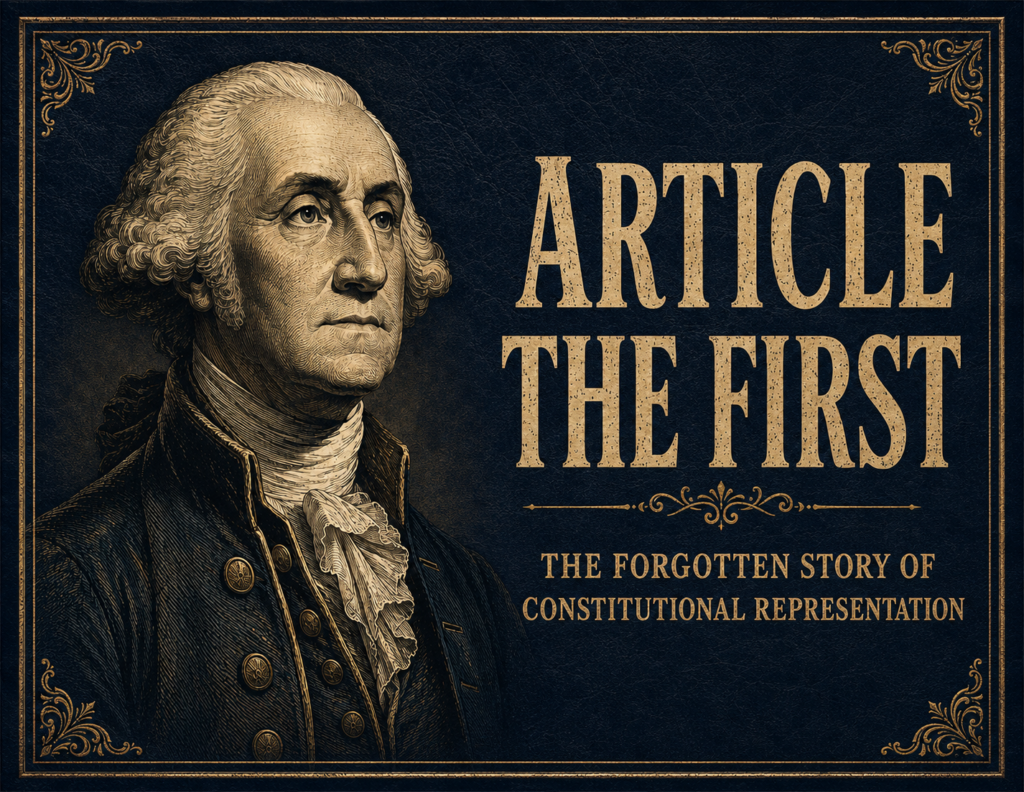
In 1789, Congress proposed twelve articles to the Constitution and sent them to the states for ratification.
The proposed amendment placed first on that historic list concerned the people’s representation in the House of Representatives.
Ten of the twelve proposals became our Bill of Rights in 1791. The second was ultimately ratified as the Twenty-Seventh Amendment in 1992. Article the First—the amendment addressing representation—remains unratified.
Its story has largely disappeared from public memory.
Why Was Representation First?
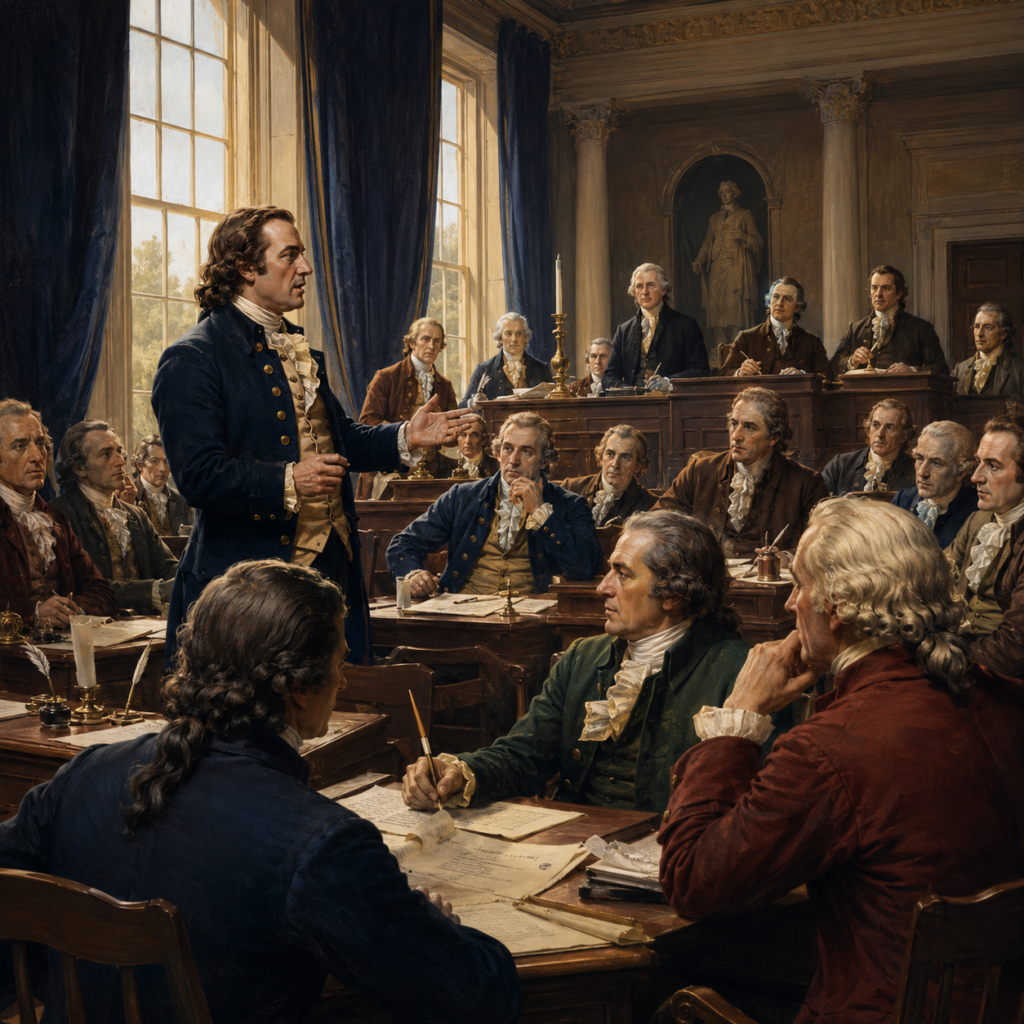
The placement of Article the First was not accidental. The size of the House of Representatives was one of the most serious concerns raised during the debates over the Constitution.
The Founders understood that representation affects whether elected representatives can remain connected to the people, understand their communities, and faithfully protect their rights and interests.
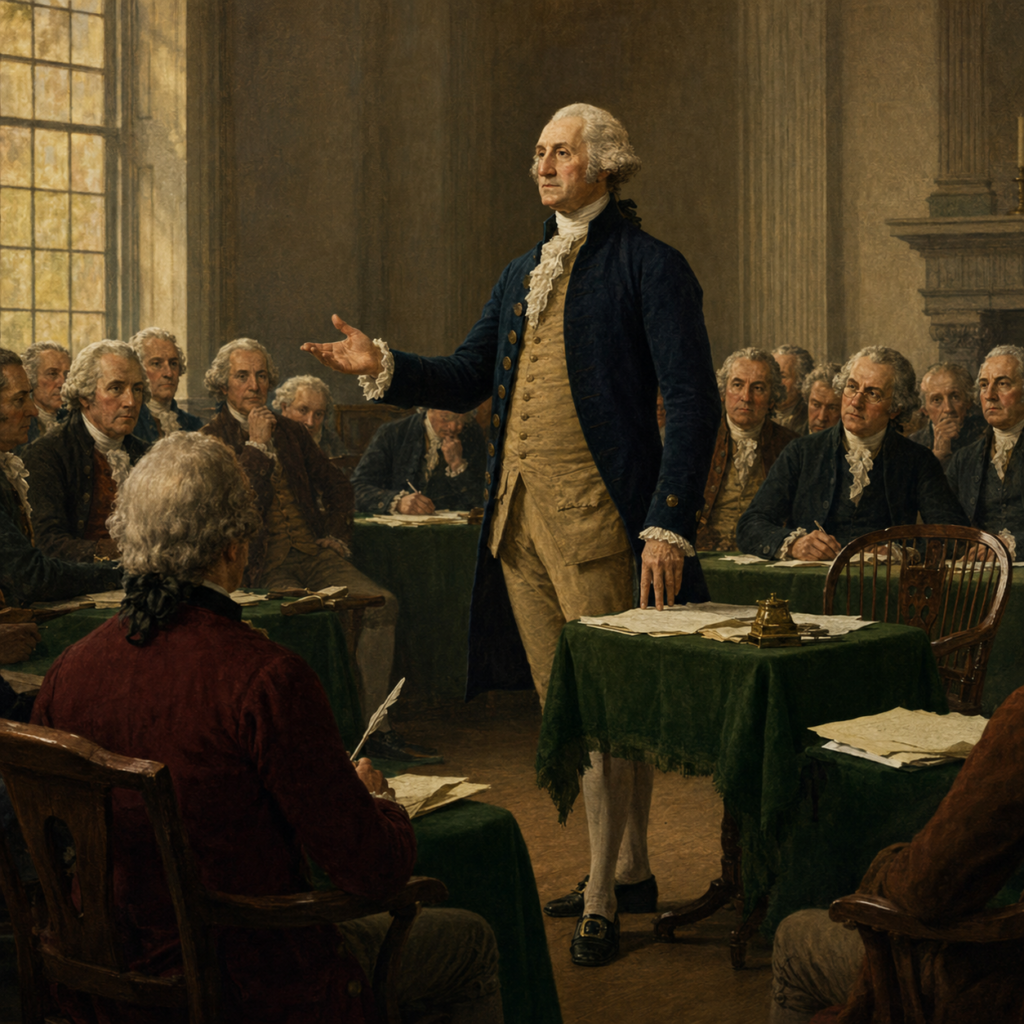
On the final day of the Constitutional Convention, George Washington broke his customary silence to address this concern:
“The smallness of the proportion of Representatives had been considered by many members of the Convention an insufficient security for the rights and interests of the people.”
The Convention responded by unanimously changing the proposed ratio from one representative for every 40,000 people to one for every 30,000.
Two years later, representation was placed first among the proposed amendments submitted to the states.
The Forgotten Amendment
Article the First proposed a constitutional formula for increasing the House of Representatives as the population grew.
Its purpose was to prevent representation from becoming increasingly distant from the people. Congress would grow alongside the population rather than allowing each representative to speak for an ever-expanding number of citizens.
The amendment came close to ratification, but it did not receive the approval of the necessary number of states.
The original constitutional concern, however, did not disappear.
Why It Matters Today
The population has grown dramatically, but the House of Representatives has remained fixed at 435 voting members since 1929.
Today, each representative may serve hundreds of thousands of people. This raises questions that reach far beyond numbers:
- Can representatives genuinely know the interests and circumstances of so many constituents?
- Can ordinary citizens develop a meaningful relationship with those who represent them?
- Has the House remained the people’s branch of the federal government?
- What happens when representation becomes too distant from the represented?
Article the First invites us to examine those questions through the Constitution, original documents, ratification debates, and the words of the Founders themselves.
Phase One: EDUCATION
Our first work is to restore this forgotten history to public knowledge.
Phase One provides:
- Historical presentations and videos
- Original documents
- Study materials
- Constitutional analysis
- The companion booklet, The Forgotten Story of Constitutional Representation
- Opportunities for discussion and further research
Education prepares the way for informed action.
Phase Two: REPRESENTATION
Phase Two will provide the practical information, organization, and educational resources needed to help We the People participate lawfully and peacefully in completing this unfinished constitutional work.
Before we can decide what should be done, we first need to understand what was proposed, why it mattered to the Founders, and why it may still matter today.
Begin the Discovery
Article the First is more than a forgotten amendment.
It is an invitation to rediscover the original meaning of representation—and to consider whether the people’s branch still provides adequate security for the rights and interests of the people.
The story begins with education. The future depends upon what We the People do with it.